
Seasonal Allergies
Seasonal Allergies
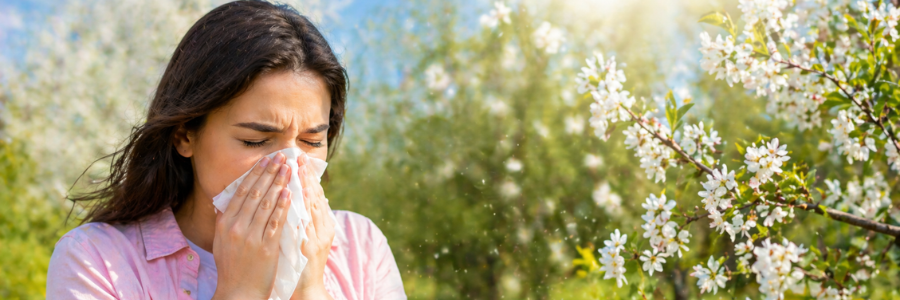
Seasonal allergies happen when the immune system reacts too strongly to things in the air, like pollen. Normally, these particles are harmless, but the body treats them as a threat. When you breathe in pollen, your body releases a chemical called histamine to fight it. This irritates and leads to symptoms like sneezing, a runny nose, and itchy or watery eyes. In simple terms, seasonal allergies are the body’s overreaction to harmless particles in the air, especially during certain times of the year.
Types Of Seasonal Allergies
Allergic Rhinitis
This is the most common type of seasonal allergy. It happens when allergens like pollen irritate your nose. It leads to symptoms such as sneezing, a runny or blocked nose, and itching. Many people experience it during specific seasons like spring or fall.
Hay Allergy (Hay Fever)
Hay fever is another name for allergic rhinitis. Despite the name, it has nothing to do with hay or fever. It mainly causes sneezing, itchy eyes, and a runny nose due to pollen in the air.
Hay Allergy (Hay Fever)
Hay fever is another name for allergic rhinitis. Despite the name, it has nothing to do with hay or fever. It mainly causes sneezing, itchy eyes, and a runny nose due to pollen in the air.
Hives
Hives are the visible symptoms of urticaria. They look like swollen, red bumps or welts on the skin and can be very itchy. They may change shape or move around the body.
Allergic Bronchitis
This condition affects the airways in your lungs. It happens when allergens cause irritation in the bronchial tubes, leading to coughing, breathing difficulty, chest tightness, and sometimes wheezing.
Symptoms

Sneezing
Sneezing is your body’s natural way of getting rid of allergens like pollen from your nose. When these tiny particles irritate the inside of your nose, your body reacts by making you sneeze suddenly, often many times in a row.

Runny or Blocked Nose
A runny nose happens when your body produces extra mucus to trap and remove allergens. On the other hand, a blocked or stuffy nose occurs when the inside of your nose becomes swollen due to irritation, making it harder to breathe properly.

Itchy Eyes, Nose, or Throat
Allergies release a chemical called histamine in your body, which causes itching. This can make your eyes, nose, throat, or even ears feel itchy and uncomfortable, and you may feel like rubbing or scratching them frequently.
Watery or Red Eyes
When allergens affect your eyes, they can become watery as your body tries to wash out the irritants. Your eyes may also turn red because of irritation and swelling. This condition is commonly known as allergic conjunctivitis.
Fatigue
Allergies can make you feel tired and low on energy. This happens because your body is constantly trying to fight off allergens. You may also not sleep well due to symptoms like a blocked nose or sneezing, and some allergy medicines can make you feel sleepy too.
Sinus Pressure or Headaches
When your nasal passages get blocked and swollen, mucus can build up in your sinuses. This can cause a feeling of pressure around your forehead, eyes, and cheeks. It may also lead to dull headaches or facial pain, which can feel worse when you bend down or lie down.
When to See A Doctor?
- If your allergy symptoms are severe or getting worse over time
- If symptoms last for many weeks and don’t improve
- If over-the-counter medicines are not giving relief
- If you have trouble breathing or wheezing
- If your sleep is disturbed due to allergies
- If you experience frequent sinus infections or headaches
- If you also have asthma that worsens during allergy season
- If symptoms are affecting your daily routine or work

Common Seasonal Allergies Triggers
Spring – Tree Pollen (e.g., oak, cedar)
In spring, many trees release tiny pollen particles into the air. These pollens can easily enter your nose and eyes when you go outside, triggering allergy symptoms like sneezing, itching, and a runny nose. Trees like oak and cedar are common causes during this season.
Summer – Grass Pollen
During summer, grass starts producing pollen, which can spread quickly through the air, especially on warm and windy days. This type of pollen is a major trigger for allergies and can cause symptoms like itchy eyes, sneezing, and nasal congestion.
Fall – Weed Pollen (especially ragweed)
In the fall season, weeds release pollen, with ragweed being one of the most common and strongest triggers. Even a small amount of ragweed pollen can cause significant allergy symptoms, and it can travel long distances through the air.
Year-round (in some climates) – Mould Spores
In some places, mould spores can be present throughout the year. They usually grow in damp or humid areas like bathrooms, kitchens, or outdoors in wet leaves and soil. Breathing in mould spores can trigger allergy symptoms at any time, not just during a specific season.
Best Homoeopathic Treatment For Seasonal Allergies – Dr Aditi’s Homoeo Health
At Dr Aditi’s Homoeo Health, treatment is completely personalised. Our individualised approach ensures better and long-lasting results rather than temporary relief. Every patient is different, so remedies are selected based on:
- Type and severity of symptoms
- Seasonal triggers (pollen, dust, weather changes)
- Medical history and lifestyle
How Homoeopathy Works for Seasonal Allergies
Homoeopathy treats allergies by understanding your individual symptoms, triggers, and overall health. It aims to balance your immune system so that your body does not overreact to harmless substances like pollen or dust. This approach not only relieves current symptoms but also helps reduce the chances of recurring allergies over time.
Why Choose Dr Aditi’s Homoeo Health?
At Dr Aditi’s Homoeo Health, the focus is on safe, natural, and holistic healing. With a patient-centric approach, the clinic provides:
- Detailed consultation and root-cause analysis
- Customized treatment plans
- Lifestyle and preventive guidance
- Continuous monitoring for long-term results
Frequently Asked Questions
Yes, they are generally safe when taken under a qualified doctor’s guidance.
Mild symptoms may improve in a few days, while long-term issues can take a few weeks.
Usually no. They are gentle and rarely cause side effects.
Results are often long-lasting, especially with proper treatment and care.