Hypersensitivity Disorders
Hypersensitivity Disorders
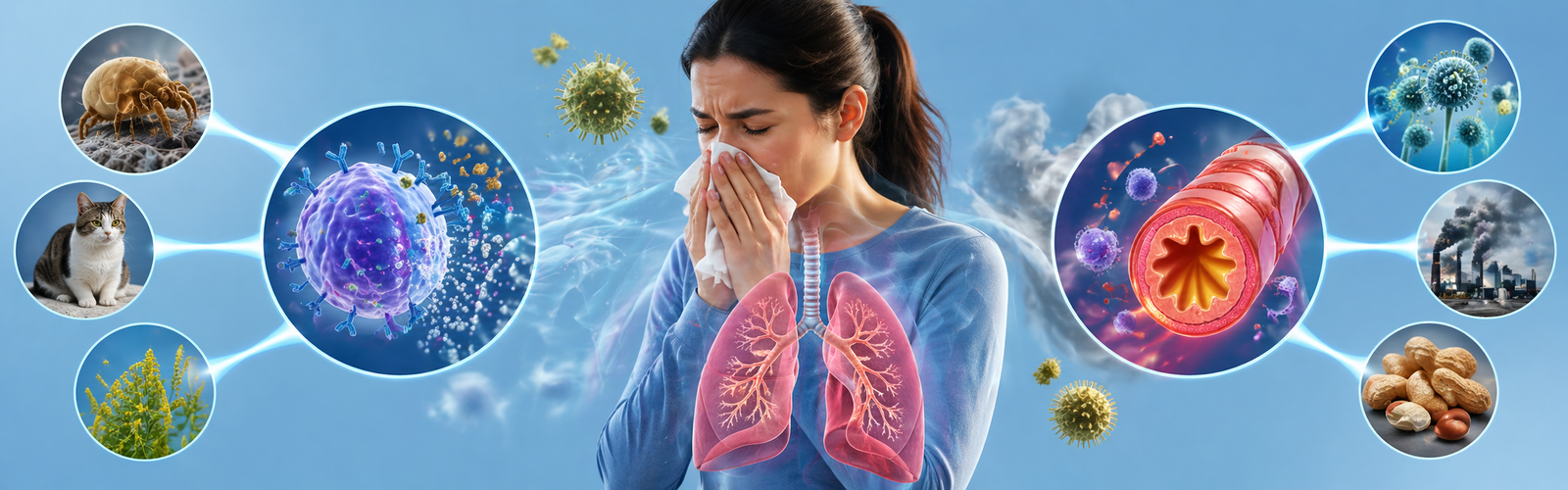
Hypersensitivity disorders are conditions in which the immune system reacts excessively or inappropriately to antigens (foreign substances or even self-components), leading to tissue damage and disease. Normally, the immune system protects the body, but in these cases, it causes harm.
Classification Of Hypersensitivity Disorders
Type I – Immediate Hypersensitivity (Allergic Reaction)
Type I hypersensitivity is what we commonly call an allergy. It happens very quickly, within seconds or minutes after exposure to something the body wrongly identifies as harmful (like pollen, dust, or certain foods). The immune system produces IgE antibodies, which attach to special cells called mast cells. When the allergen enters again, these cells release chemicals like histamine, causing symptoms such as itching, swelling, and difficulty breathing. In severe cases, it can lead to life-threatening reactions.
Allergic Rhinitis – Sneezing, runny nose due to allergens like pollen
Asthma – Airways become narrow, causing breathing difficulty
Anaphylaxis – Sudden, severe whole-body reaction that needs emergency care
Type II – Cytotoxic Hypersensitivity
In Type II hypersensitivity, the immune system mistakenly targets the body’s own cells as if they were foreign. This reaction is mediated by IgG or IgM antibodies, which bind directly to cells and mark them for destruction. This can lead to damage in specific tissues or organs. Unlike Type I, this reaction takes a bit longer (minutes to hours) and results in cell damage or destruction.
Hemolytic Anemia – Red blood cells are destroyed, leading to weakness and fatigue
Graves’ Disease – Antibodies stimulate the thyroid, causing overactivity
Type III – Immune Complex-Mediated Hypersensitivity
Type III hypersensitivity occurs when antigen-antibody complexes (called immune complexes) form in the blood and get deposited in tissues like blood vessels, kidneys, and joints. These complexes trigger inflammation and tissue injury. The reaction develops over hours to days and often affects multiple parts of the body at once.
Systemic Lupus Erythematosus – Causes joint pain, skin rashes, and organ damage
Glomerulonephritis – Immune complexes damage the kidneys
Type IV – Delayed-Type Hypersensitivity
Type IV hypersensitivity is different because it does not involve antibodies. Instead, it is controlled by T cells, a type of white blood cell. The reaction is delayed, usually appearing 24-72 hours after exposure. T cells release chemicals (cytokines) that cause inflammation and attract other immune cells to the area, leading to tissue damage.
Contact Dermatitis – Skin rash caused by contact with substances like nickel or chemicals
Tuberculosis – Immune response leads to chronic inflammation in the lungs
Symptoms of Hypersensitivity Disorders

Itching (Pruritus)
Persistent urge to scratch caused by histamine release, irritating skin nerves during common allergic reactions.

Redness (Erythema)
Skin becomes red due to increased blood flow and inflammation triggered by mild to moderate immune responses.

Swelling (Edema)
Localised swelling occurs when fluid leaks into tissues due to inflammation caused by allergic reactions.
Sneezing
Repeated sneezing happens when allergens irritate the nasal passages, commonly seen in dust or pollen allergies.
Watery Eyes (Lacrimation)
Eyes produce excess tears due to irritation from allergens, often accompanied by redness and itching.
Skin Rash or Hives
Red, inflamed patches or bumps appear on the skin due to allergic or immune system reactions. Raised, itchy welts on the skin caused by histamine release, often appearing suddenly and spreading quickly.
When to See A Doctor?
- If symptoms persist for several days without improvement
- If you experience difficulty in breathing or wheezing
- If there is swelling of the face, lips, tongue, or throat
- If allergic reactions are becoming frequent or more severe
- If you develop severe or spreading skin rashes
- If symptoms interfere with your daily activities or sleep
- If you notice reactions after eating certain foods or taking medications
- If you have a persistent cough or chest tightness
- If a fever occurs along with allergic symptoms
- If you experience a sudden severe reaction like dizziness or fainting (possible Anaphylaxis)

Causes Of Hypersensitivity Disorders
Allergens (Environmental Triggers)
Substances like pollen, dust mites, mould, and pet dander can trigger exaggerated immune responses in sensitive individuals.
Food Allergies
Certain foods, such as milk, nuts, eggs, and shellfish, may provoke abnormal immune reactions in some people.
Medications (Drug Reactions)
Drugs like antibiotics, painkillers, or vaccines can sometimes trigger hypersensitivity reactions due to the immune system’s misidentification.
Genetic Predisposition
Family history of allergies or autoimmune conditions increases the likelihood of developing hypersensitivity disorders.
Infections
Bacterial, viral, or parasitic infections may alter immune responses, sometimes leading to abnormal or exaggerated reactions
Lifestyle Factors
Poor diet, stress, and lack of sleep may weaken immune balance, making the body more prone to abnormal reactions.
Best Homoeopathic Treatment For Hypersensitivity Disorders – Dr Aditi’s Homoeo Health
At Dr Aditi’s Homoeo Health, treatment for hypersensitivity disorders is designed with a personalised and holistic approach. Instead of just suppressing symptoms, the focus is on correcting the body’s overactive immune response for long-term relief. Each treatment plan is carefully selected based on:
- Nature and intensity of allergic reactions
- Individual triggers (food, dust, chemicals, weather changes)
- Patient’s medical history and overall health condition
- Lifestyle patterns and immunity levels
How Homoeopathy Works for Hypersensitivity Disorders
Homoeopathy works by modulating the immune system rather than simply blocking symptoms. It helps the body gradually adapt and respond normally to triggers that previously caused exaggerated reactions. By addressing the root cause, this approach not only reduces current symptoms like itching, sneezing, or rashes but also helps prevent frequent recurrences and improves overall resistance.
Why Choose Dr Aditi’s Homoeo Health Clinic?
Dr Aditi’s Homoeo Health follows a patient-focused and natural healing approach to manage hypersensitivity conditions effectively. The clinic offers:
- In-depth case evaluation and root-cause identification
- Individualised remedy selection based on patient profile
- Safe, gentle, and non-invasive treatment methods
- Guidance on diet, lifestyle, and trigger avoidance
- Regular follow-ups to ensure sustained improvement
Frequently Asked Questions
Yes, they are generally safe, natural, and suitable for long-term use under professional supervision.
Homoeopathy aims to reduce sensitivity and prevent recurrence, offering long-lasting relief with proper treatment.
Acute symptoms may improve within days, while chronic hypersensitivity conditions may take a few weeks.
Homoeopathic remedies are gentle and usually free from significant side effects when taken correctly.