
Respiratory Conditions

Respiratory Conditions

Respiratory conditions are health problems that affect the lungs and airways, making it difficult to breathe properly. These conditions can be caused by infections, allergies, pollution, or long-term lung diseases. Normally, our respiratory system helps us take in oxygen and remove carbon dioxide, but when it is affected, it can lead to discomfort and serious health issues.
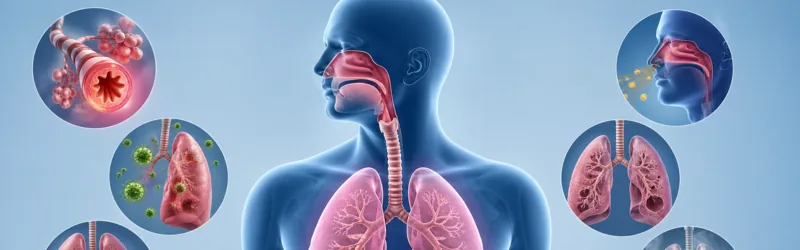

Type Of Respiratory Conditions

1. Acute Respiratory Conditions (Short-Term Issues)

These conditions develop suddenly and usually last for a short period. They are often caused by infections like viruses or bacteria. Symptoms may appear quickly and can range from mild to severe.

Common Cold – Runny nose, mild cough, and throat irritation

Acute Bronchitis – Inflammation of airways causing cough and mucus

Pneumonia – Lung infection causing fever, chest pain, and breathing difficulty

2. Chronic Respiratory Conditions (Long-Term Diseases)

These are long-lasting conditions that may persist for months or years. They often require continuous care and management.

Asthma – Airways become narrow, causing wheezing and breathing difficulty

Chronic Obstructive Pulmonary Disease (COPD) – Long-term lung damage leading to breathlessness

Chronic Bronchitis – Persistent cough with mucus production

3. Allergic Respiratory Conditions

These occur when the airways react to allergens like dust, pollen, or smoke. The body becomes sensitive, leading to repeated respiratory issues.

Allergic Rhinitis – Sneezing, nasal congestion, and runny nose

Allergic Asthma – Triggered by allergens causing breathing problems

4. Infectious Respiratory Conditions

These are caused by microorganisms such as viruses, bacteria, or fungi that infect the lungs or airways.

Tuberculosis – A serious bacterial infection affecting the lungs

Influenza (Flu) – Viral infection causing fever, cough, and fatigue

Symptoms of Respiratory Conditions

Image title

Cough

A common symptom where the body tries to clear irritants or mucus from the airways. It can be dry or produce phlegm.

Image title

Shortness of Breath (Dyspnea)

Difficulty in breathing or feeling like you cannot get enough air, often seen in asthma or lung infections.

Image title

Wheezing

A whistling sound while breathing caused by narrowed airways.

Image title

Chest Tightness or Pain

A feeling of pressure or discomfort in the chest, often linked to inflammation or infection in the lungs.

Image title

Excess Mucus Production

Build-up of mucus in the airways, making breathing difficult and causing frequent coughing.

Image title

Sneezing

Frequent sneezing occurs when irritants affect the nasal passages, commonly in allergic conditions.

When to See A Doctor?

  • If cough lasts for more than a few days without improvement
  • If you experience difficulty in breathing or constant wheezing
  • If there is chest pain or tightness
  • If you have high fever along with cough or cold
  • If mucus becomes thick, coloured, or contains blood
  • If breathing problems interfere with daily activities or sleep
  • If symptoms keep coming back frequently
  • If you feel extreme fatigue or weakness
  • If you have a history of asthma or lung disease and symptoms worsen
  • If you experience sudden severe breathlessness

Doctor performing a physical exam

Causes Of Respiratory Conditions

Air Pollution

Exposure to polluted air, smoke, and harmful gases can irritate the lungs and lead to respiratory problems.

Allergens

Dust, pollen, mould, and pet dander can trigger breathing issues, especially in sensitive individuals.

Infections

Viruses and bacteria can infect the respiratory tract, leading to conditions like flu, bronchitis, or pneumonia.

Smoking

Active or passive smoking damages lung tissues and increases the risk of chronic respiratory diseases.

Genetic Factors

Family history of asthma or lung diseases can increase the chances of developing similar conditions.

Weak Immunity

A weakened immune system makes the body more prone to infections affecting the respiratory system.

Best Homoeopathic Treatment For Respiratory Conditions

A well-planned homoeopathic approach focuses on improving lung health and strengthening the body’s natural defense system. Instead of only controlling symptoms like cough or breathlessness, it works on addressing the root cause and improving overall respiratory function. Treatment plans are usually based on:

  • Type and severity of respiratory condition
  • Triggers such as dust, weather, or infections
  • Patient’s medical history and lifestyle
  • Frequency and duration of symptoms

How Homoeopathy Works for Respiratory Conditions

Homoeopathy supports the body in restoring balance and improving the functioning of the respiratory system. It helps reduce inflammation in the airways, improves breathing capacity, and lowers the chances of repeated infections. By targeting the root cause, it not only provides relief from symptoms like cough, mucus, and wheezing but also enhances long-term lung health and immunity.

Why Choose A Professional Homoeopathic Clinic?

A reliable homoeopathic clinic focuses on personalised care and natural healing methods for respiratory issues. Key benefits include:

  • Detailed case analysis to understand the root cause
  • Customised remedies suited to individual needs
  • Gentle and safe treatment without harsh side effects
  • Guidance on lifestyle changes and avoiding triggers
  • Regular monitoring to ensure consistent improvement

Frequently Asked Questions

Yes, they are generally safe, natural, and suitable for long-term use when taken under expert guidance.

You can contact Dr. Aditi at +91-8699910547, +91-9501003518.

Homoeopathy aims to improve lung function, reduce symptoms, and prevent frequent recurrence, offering long-term relief.

Acute conditions may improve within a few days, while chronic respiratory issues may take a few weeks with regular treatment.