
Fungal Infections: Understanding the Condition and the Homoeopathy Treatment for Fungal Infections
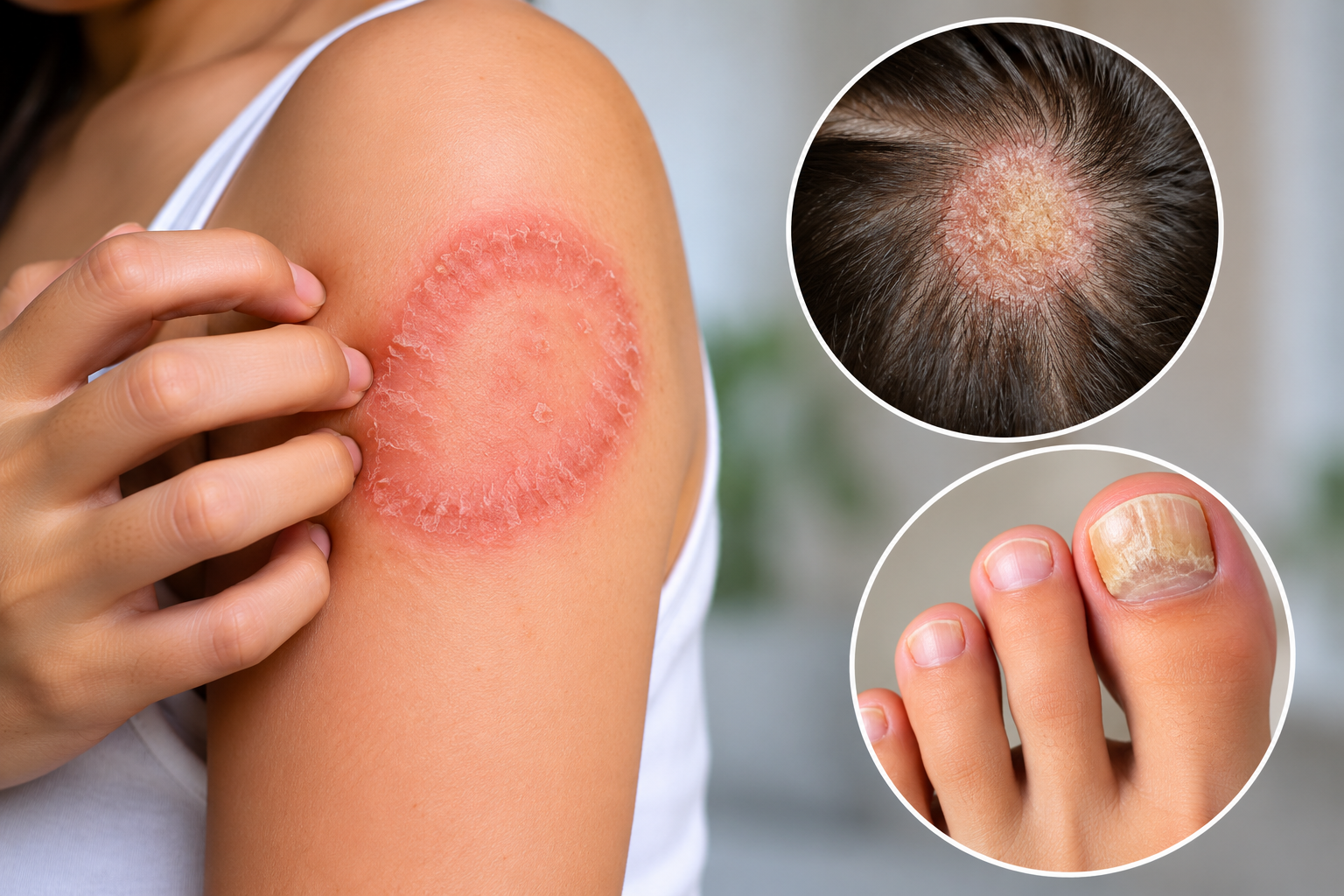
Fungal infections can affect the skin, hair, and nails and are more common in warm, humid conditions. Ringworm (daad/dhaad/khujli) is one of the most common fungal skin infections, while fungi such as Candida and Malassezia can cause other skin problems. In India, heat, sweating, and humidity can increase the risk of fungal skin infections. Some infections may also keep coming back. Using steroid-antifungal creams without medical advice can sometimes mask the infections and make it harder to identify and manage properly.
At Allhomoeo, concerns such as ringworm, itching, nail fungal infections, and skin fungal infections are treated on an individual basis. Your symptoms, sweating, skin type, lifestyle, previous treatments, and other relevant health factors may be considered during the consultation.
Homoeopathy treatment for fungal infections at Allhomoeo is offered as a complementary and personalised approach. For persistent, spreading or recurring infections, proper medical diagnosis and appropriate conventional treatment should not be delayed.
Our Approach in Treating Fungal Infections
At Allhomoeo, we take a personalised approach to understanding fungal skin concerns with online consultations. Our consultation may include:
- Detailed case-taking: We discuss where the infection started, how it has changed or spread, itching, scaling, skin colour changes and what makes the symptoms better or worse.
- Understanding Risk Factors: We consider factors, such as excessive sweating, tight clothing, shared towels, workplace exposure, diabetes, previous medicines and the use of steroid creams.
- Individualised Care: Every person can have different symptoms and health factors. That’s why your care plan is made based on your individual care rather than just the name of the infection.
- Hygiene & Lifestyle Guidance: At Allhomoeo, we provide practical tips to keep the affected area dry, maintain hygiene, wash clothes properly and reduce the risk of spreading or recurring infection.
- Different Fungal Concerns: As a trusted homoeopathic clinic in Chandigarh, we provide consultations for problems such as ringworm, jock itch, athlete’s foot, scalp and nail fungal infections, tinea versicolor, and other fungal skin conditions.
- Online Consultations: You can consult from anywhere in India through online consultations, with regular follow-ups.
Homoeopathy Treatment for Fungal Infections
Get personalised guidance for Fungal Infections, such as ringworm (daad), itching, nail infections, and other fungal skin concerns at Allhomoeo. Online and in-clinic consultations are available. Book your consultation with Allhomoeo today.
Key Facts About Fungal Infections
- Superficial fungal infections affect around 20 to 25% of people worldwide.
- Ringworm is a fungal infection that often causes a ring-shaped rash.
- Contact with shared towels, clothes, bedding, and contaminated surfaces can spread fungal infections.
- Nail fungus affects around 14% of the general population.
- Avoid using steroid creams, as they may mask or worsen fungal infections.
Types of Fungal Infections We Treat
01
Tinea Corporis (Ringworm)
Red, itchy, and scaly ring-shaped patches that can appear on the arms, legs, back or body.
02
Tinea Cruris (Jock Itch)
An itchy rash around the groin and inner thighs, often made worse by sweating and friction.
03
Tinea Pedis (Athlete’s Foot)
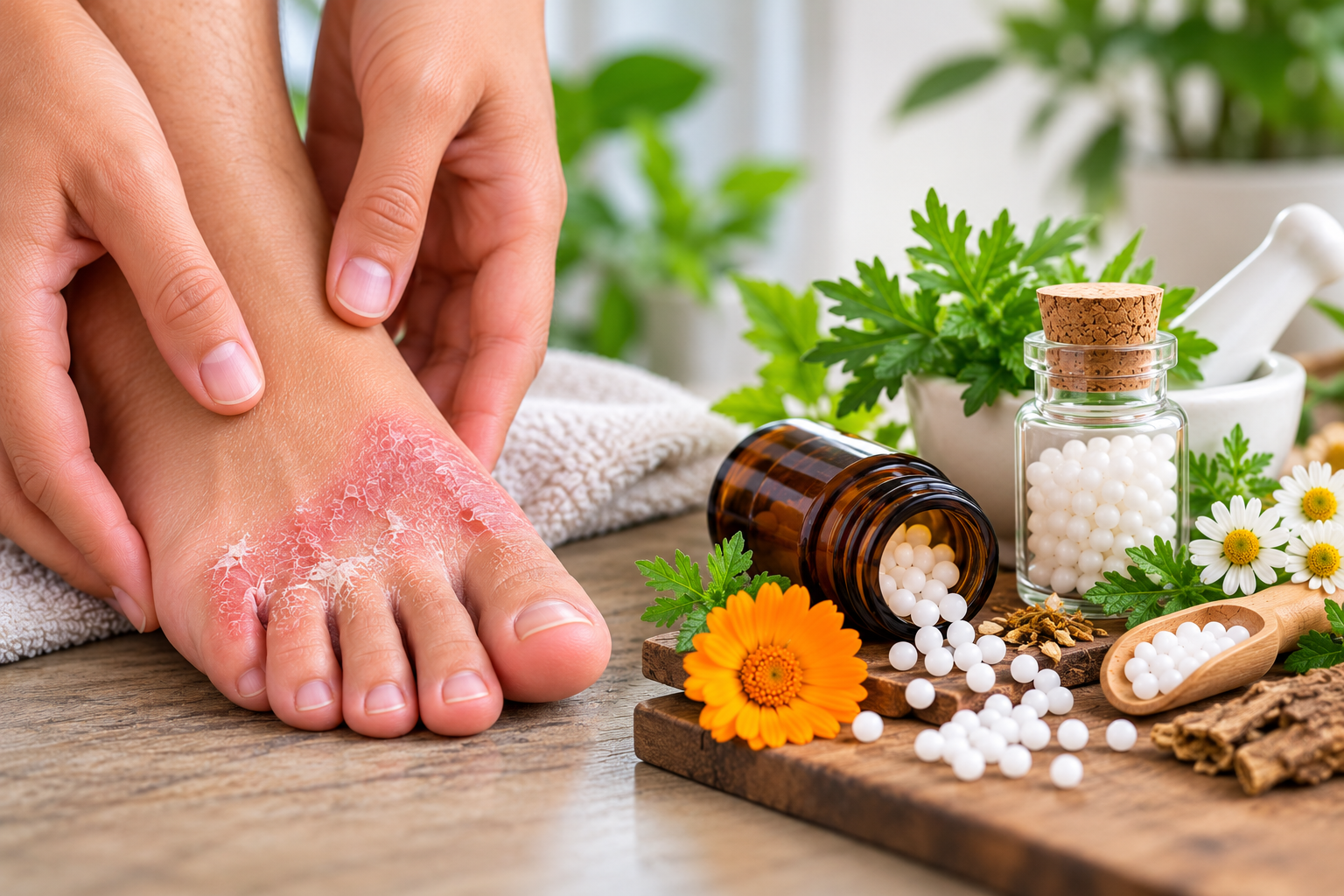
Itching, peeling, or cracked skin, usually between the toes or on the feet.
04
Tinea Capitis (Scalp Ringworm)
Itchy, scaly patches on the scalp that may cause hair breakage or hair loss, especially in children.
05
Onychomycosis (Nail Fungus)
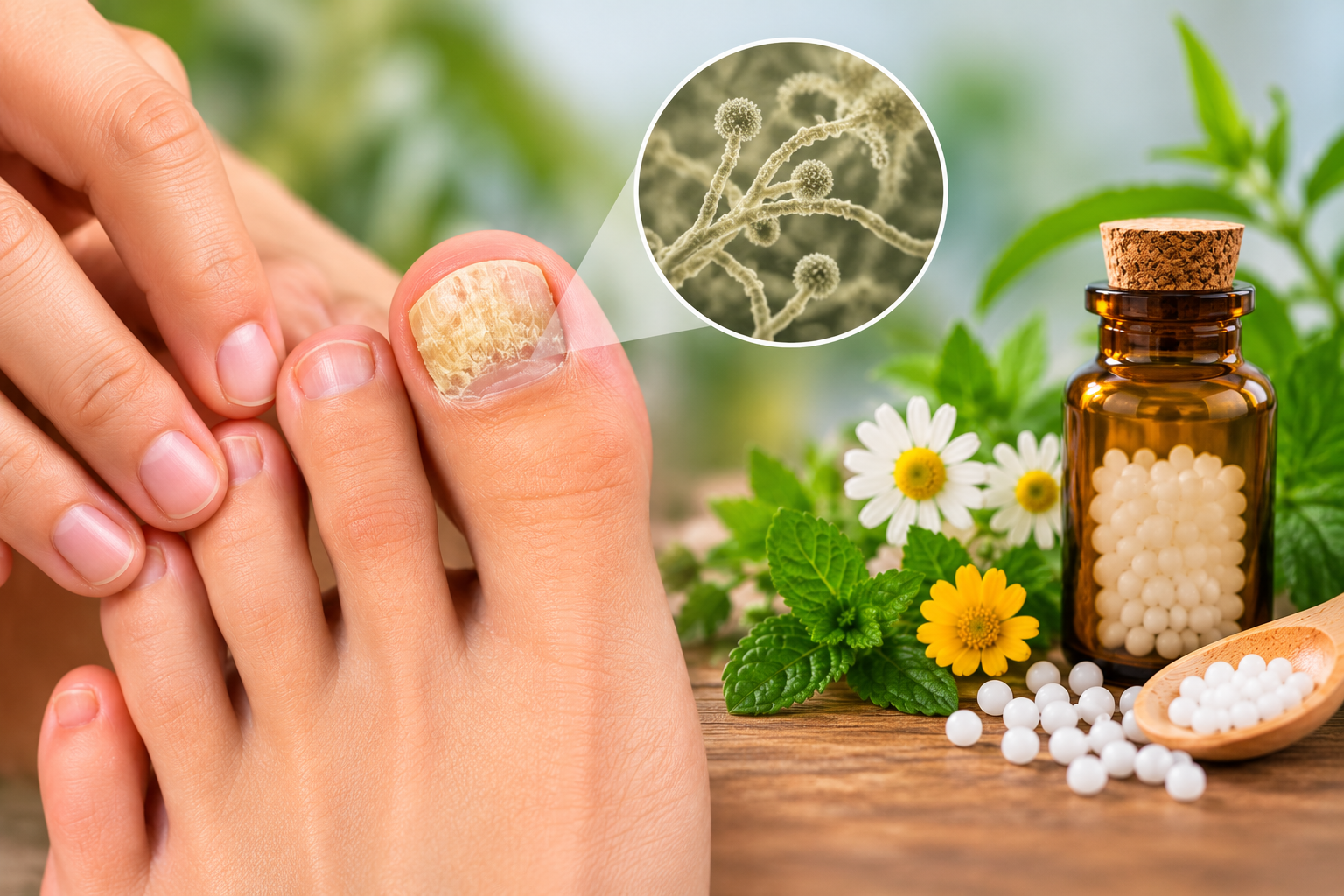
Nails may become thick, yellow, brittle, or crumbly, and they can slowly separate from the nail bed.
06
Tinea Versicolor
Light or dark, slightly scaly patches commonly seen on the chest, back, shoulders, or neck.
Common Causes and Symptoms of Fungal Infections
Fungal infections can spread or return if the underlying triggers are not addressed. Early attention can help to prevent the infection from becoming more difficult to manage.
Common Causes and Triggers
- Heat, Humidity & Sweat: Moist skin creates an ideal environment for fungi.
- Tight Clothing: Synthetic or tight clothes can trap moisture and reduce airflow.
- Shared Items: Towels, clothes, bedding, combs and footwear can spread infection.
- Contact: Fungal infections can spread through infected people, animals or contaminated surfaces.
- Steroid Cream Misuse: Unsupervised steroid creams may hide or worsen fungal infections.
- Incomplete Treatment: Stopping treatment too early may allow the infection to return.
Common Symptoms
- Itchy, Ring-Shaped or Scaly Patches
- Redness, Burning or Irritation
- Peeling or Cracked Skin
- Thick, Yellow or Brittle Nails
- Hair Loss Patches on the Scalp
- Light or Dark Skin Patches, especially with tinea versicolor.
Homoeopathy for Fungal Infections: Commonly Considered Remedies
In homoeopathy, treatment is generally individualised. The practitioner considers the person’s overall symptoms, health history, and specific skin or nail concerns rather than choosing a remedy based only on the type of fungal infection. Some remedies traditionally considered in homoeopathic practice include:
- Sepia: Traditionally considered for itchy, ring-shaped skin patches, particularly when symptoms are linked with hormonal changes.
- Tellurium: Often considered for ringworm with overlapping circular patches and strong-smelling sweat or skin.
- Sulphur: Traditionally used for dry, scaly skin with intense itching or burning, especially when warmth makes symptoms worse.
- Graphites: Considered for cracked skin with sticky discharge and some nail-related concerns.
- Thuja Occidentalis: Traditionally considered for recurring skin or nail complaints and thick, brittle nails.
- Silicea: Sometimes considered for brittle or deformed nails and slow-healing skin concerns.
- Natrum Sulphuricum: Traditionally associated with skin complaints that become worse in damp or humid weather.
- Borax: Traditionally considered for oral thrush with white patches and mouth soreness.
Lifestyle and Prevention Tips for Fungal Infections
- Keep the affected area clean and completely dry, especially skin folds, the groin, and between the toes.
- Wear loose, breathable cotton clothes, and change out of sweaty clothes as soon as possible.
- Avoid sharing towels, clothes, combs, socks, or footwear with others.
- Wash clothes, towels, and bedding regularly, and make sure they are completely dry before use.
- Wear slippers in public showers, gyms, and swimming pool areas.
- Avoid using steroid-containing creams unless they have been prescribed by a doctor.
- If you have diabetes, keep your blood sugar well controlled and follow your doctor’s advice.
- Maintain a balanced diet, adequate sleep and regular physical activity to support overall health.
Fungal Infection Care: Homoeopathy vs. Conventional Treatment
Feature | Homoeopathic Approach at Allhomoeo | Conventional Medical Treatment |
|---|---|---|
Main Focus | Individual symptoms, health history and possible triggers | Treating the fungal infection directly |
Common Approach | Personalised homoeopathic care with hygiene and lifestyle guidance | Antifungal creams or medicines such as clotrimazole, terbinafine and others |
For Severe Cases | May be considered as complementary care | Often required for scalp, nail, widespread or persistent infections |
Limitations | Scientific evidence for treating fungal infections is limited | Some oral antifungals can have side effects and drug interactions |
Best Approach | Use as a complementary option with appropriate medical guidance | First-line treatment for confirmed fungal infections |
A Comfortable and Supportive Experience at Allhomoeo
Fungal infections can be uncomfortable, especially when they affect the groin, feet, nails, or other sensitive areas. At Allhomoeo, we provide a private and supportive environment where you can discuss your concerns comfortably.
- Private and personalised consultations based on your symptoms and health history.
- Individualised guidance for ringworm, itching, nail fungus and fungal skin infections.
- Practical tips on hygiene, clothing and preventing reinfection.
- Regular follow-ups to monitor your progress.
- Online and in-clinic consultations available across India.
Book your personalized consultation for homoeopathy treatment for fungal infections with Allhomoeo today.
Frequently Asked Questions (FAQs)
How can I start my fungal infection treatment at Allhomoeo?
You can book an in-clinic or online consultation through our official booking link or by calling our clinic. Please keep clear photos of the affected area and any previous prescriptions and creams handy.
Are fungal infections contagious?
Most skin, scalp and nail fungal infections can spread through direct contact or shared items such as towels, clothing and footwear. Tinea versicolor and candidal infections are caused by yeasts that normally live on the body, so they are less likely to pass between people.
Can stress and poor sleep trigger fungal infections?
Stress and poor sleep do not directly cause fungal infections, but they can affect immune function and may make some infections harder to manage. Getting enough sleep and managing stress can support overall health and recovery.
Will my rash get worse before it gets better?
Some people notice a temporary change in symptoms early in treatment. If your rash spreads quickly, becomes painful, or you develop fever or pus, seek medical care promptly.
Should I stop using my antifungal cream while taking homoeopathic medicines?
Please do not stop or change prescribed medicines without advice from your doctor. Tell us about everything you are using, including creams bought over the counter.
Can I go to the gym or swimming pool with a fungal infection?
It’s best to avoid them until the infection improves. If you go, keep the area covered, use your own towel and wear slippers in shared wet areas.